Aromatic Cedar Wood in Furniture and Storage
Properties of cedar timber, its use in wardrobes and chests, and its role in protecting textiles from insects — with reference to practices and sources available in Poland.
Cedar Wood: Key Areas
Three focused areas covering the timber's physical structure, aromatic protection properties, and guidance on sourcing cedar products in Poland.
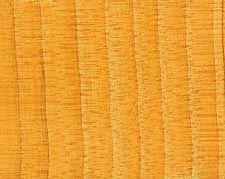 Wood Properties
Cedar Wood Properties: Grain, Density and Durability in Furniture
An overview of cedar's cellular structure, natural oils, and how these characteristics determine its suitability for indoor furniture and long-term storage applications.
Read article Moth Protection
Aromatic Cedar and Moth Protection in Textile Storage
How volatile compounds released from cedar heartwood affect clothes moths, what conditions maintain these properties, and when cedar loses its repellent effect over time.
Read article Selection Guide
Selecting Cedar Wood Products for Storage in Poland
A practical guide to identifying genuine cedar timber versus aromatic look-alikes, with notes on what is typically available through Polish furniture and timber suppliers.
Read articleWhat Makes Cedar Useful for Storage
Natural Volatile Oils
Cedar heartwood contains terpene compounds — primarily cedrol and cedrene — that give the wood its characteristic scent. These oils act as a deterrent to clothes moths and carpet beetles without chemical treatment.
Dimensional Stability
Cedar has relatively low shrinkage and swelling compared to many European hardwoods. In indoor environments with stable humidity, cedar furniture and lined drawers maintain their form over decades.
Lightweight Workability
The timber cuts and planes easily, takes finishes well, and does not require heavy hardware for closures. These properties made cedar a traditional choice for hope chests and linen storage across Central Europe.
Long Service Life
When used indoors away from moisture, cedar furniture shows minimal degradation. Periodic light sanding restores the aromatic surface. Polish conservation workshops have documented pieces remaining structurally sound after 80–100 years of continuous indoor use.
Cedar in Polish Furniture Tradition
Cedar does not grow naturally in Poland's temperate climate. The aromatic species used in furniture — primarily Eastern red cedar (Juniperus virginiana) and Atlantic cedar (Cedrus atlantica) — are imported, typically as sawn timber or manufactured inserts for drawer lining and wardrobe interiors.
Historically, Polish cabinetmakers used indigenous linden and oak for chests and wardrobes. Cedar-lined products entered the Polish market more widely through the mid-20th century as imports of North American and North African timber became more accessible through trade channels.
Today, cedar inserts — thin planks, blocks and sachets of compressed shavings — are available from furniture suppliers, household goods stores and some specialist woodworking shops across major Polish cities.

Cedrus libani growing in a European botanical setting. Source: Wikimedia Commons (CC BY-SA).
Contact
Questions, corrections or topic suggestions — use the form below.